

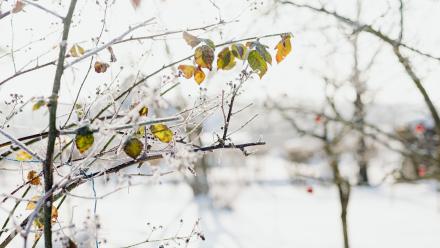
Spending time outdoors isn't just for the warmer months. Even during winter, there are plenty of ways for older people to enjoy nature, get some fresh air and benefit from time in the garden.
From feeding the birds and creating seasonal decorations to preparing for spring planting, simple outdoor activities can bring enjoyment, encourage conversation and help residents stay connected with the natural world.
The Norwegian concept of friluftsliv (pronounced free-loofts-liv) offers a lovely way of thinking about this. Translating as 'open-air living', it describes the enjoyment of spending time outdoors and appreciating nature, whatever the season.
It's a reminder that you don't need sunshine or a big gardening project to enjoy the outdoors. Sometimes, simply sitting in the garden, listening to birdsong or watching the changing seasons can make a difference.
With the colder, darker and wetter months approaching, here are five simple winter activities to help older people enjoy nature and make the most of their surroundings.
1. Create a festive garden activity
Bring a little of the outdoors inside with a seasonal craft activity using natural materials gathered from the garden.
Leaves, twigs, pine cones and other natural finds can be used to make festive decorations or a seasonal tabletop garden. It's a lovely opportunity to get creative together while enjoying the textures, colours and scents of nature.
For inspiration, take a look at NAPA's festive tabletop garden activity (Activity 2).
2. Feed the birds and enjoy some winter wildlife watching
Watching garden birds can be a simple but rewarding way for older people to connect with nature. It can also encourage conversation, spark memories and provide something interesting to look forward to each day.
Keep bird feeders topped up and water stations filled, checking regularly for ice during cold weather. You could also make fat balls for garden birds to provide an extra winter food source.
Preparing bird food together can be an enjoyable activity in itself, while watching the visitors to your garden offers a lovely opportunity to talk about familiar birds and wildlife.
3. Create a winter wildlife haven
Gardens can continue to support wildlife throughout winter, even when plants have stopped flowering and much of the garden appears dormant.
Fallen branches, twigs and leaf litter can be used to create small wildlife shelters in quiet corners. These provide valuable places for creatures such as hedgehogs, frogs, toads and insects to shelter during colder weather.
Residents can help decide where to create a wildlife-friendly space and enjoy checking for signs of wildlife as the seasons change.


4. Get ready for spring gardening
Winter is a great time to start planning for the warmer months. It can also bring a little anticipation of spring into the colder days.
Spend time sorting through seed packets, browsing gardening catalogues or putting together a planting calendar. Residents can share their favourite flowers, plants and gardening memories, helping to shape plans for the year ahead.
It's also an opportunity to start thinking about next year's Trust in Bloom competition and get everyone involved in planning what to grow.
5. Give bird nestboxes a spring clean
Winter is a good opportunity to check existing bird nestboxes and clean them ready for the next nesting season.
Once you're certain a nestbox is empty, remove old nesting material and give it a brush to help reduce the risk of parasites. This is a simple gardening task that residents may enjoy helping with, depending on their interests and abilities.
Making outdoor activities accessible for everyone
Not everyone will want or be able to spend time outside in colder weather, but that doesn't mean they have to miss out on the benefits of connecting with nature.
There are plenty of ways to adapt winter activities to suit different interests, abilities and comfort levels:
- Make the most of the garden: Choose sheltered seating areas and accessible paths, and offer warm clothing and blankets for anyone who would like to spend a little time outside.
- Bring nature indoors: Try seasonal crafts, planting bulbs in pots or arranging natural materials gathered from the garden.
- Enjoy nature from a window: Position a comfortable chair where residents can watch birds, look out onto the garden or enjoy the changing seasons.
- Adapt activities to individual interests: Some residents may enjoy getting involved in gardening, while others might prefer listening to birdsong, talking about favourite flowers or simply enjoying the fresh air.
For people living with dementia, familiar sights, sounds, smells and textures can also provide opportunities for sensory engagement and meaningful conversation. Activities should always be adapted to individual preferences and abilities.
Enjoying nature throughout the year
Whether it's making a festive decoration, feeding the birds, wrapping up warm for a few minutes in the garden or simply watching the wildlife from a window, there are plenty of ways to enjoy nature during winter.
The idea behind friluftsliv is a simple one: connecting with the outdoors doesn't have to be complicated, and it doesn't have to stop when summer ends.
Sometimes, the smallest moments spent enjoying nature can make the biggest difference to everyday life.
