

As we get older, it’s natural to feel less steady on our feet or become more concerned about falling. But there are simple things we can all do to reduce the risk of falls and help us stay active, safe and independent for longer.
Whether you’re supporting an older relative, living independently at home or living in a care home, small changes can make a real difference.
To mark Falls Prevention Awareness Week (21–25 September 2026), Jennie Gittins, Quality Improvement Lead at The Orders of St John Care Trust (OSJCT), shares six simple tips for reducing the risk of falls.
1. Keep moving
Staying active is one of the best things you can do to help maintain your strength, balance and mobility.
The World Health Organization recommends that older adults remain physically active according to their individual ability. You don’t need to take up an intensive exercise programme – everyday movement counts too.
Try activities such as:
- Walking
- Seated exercises
- Stretching
- Dancing
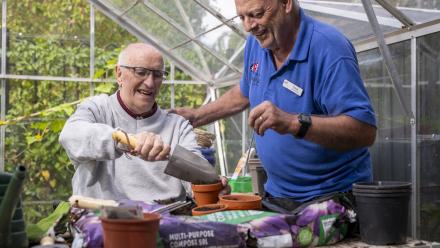
- Gardening
- Gentle strength and balance exercises
- Simply getting up and moving around regularly throughout the day
The important thing is to choose activities that are enjoyable and appropriate for your abilities. If you’re unsure what type of exercise is right for you, speak to your GP or another healthcare professional.
2. Look after your health
Changes in our health can sometimes increase the risk of falling, so keeping on top of your health is an important part of falls prevention.
Regular sight and hearing checks can help make sure you’re able to see and hear your surroundings clearly. Keep glasses clean and make sure hearing aids are working properly.
If you feel dizzy, light-headed or unsteady, speak to your GP or pharmacist. Your medication may need to be reviewed, as some medicines can cause side effects such as dizziness or drowsiness.
It’s also important to look after your feet and wear comfortable, well-fitting footwear that gives you good support.
3. Keep your surroundings safe
A tidy, well-organised home can help reduce the risk of trips and falls.
Look out for potential hazards such as:
- Loose rugs or mats
- Trailing cables
- Clothes or other items left on the floor
- Clutter around walkways
- Poor lighting, particularly on stairs and around the bathroom
Try to keep the routes you use most often clear and make sure you have enough light to see where you’re going, particularly at night.
If you’re helping an older relative, it can be useful to walk through their home with them and look at it from their perspective. Are there places where they regularly need to reach, stretch or step around something?
Small changes can make everyday activities safer and easier.


4. Eat and drink well
Good nutrition and hydration help keep our bodies strong and healthy and can play an important role in maintaining our overall wellbeing.
Aim to drink regularly throughout the day. As a general guide, six to eight drinks a day is recommended for many older people, with more needed during hot weather.
Remember that fluids don’t only come from drinks. Foods such as soup, fruit and smoothies can also contribute to your fluid intake.
It can also be helpful to consider when you’re drinking. Caffeinated drinks can increase the need to go to the toilet, which may mean more trips to the bathroom, particularly during the night. Where possible, consider switching to decaffeinated alternatives.
If you’re concerned about your nutrition or hydration, speak to your GP, dietitian or another healthcare professional for individual advice.
5. Make the most of mobility equipment
If you use a walking aid or other equipment to help you move around safely, make sure it is close by, easy to reach and properly maintained.
It can be tempting to leave a walking aid somewhere convenient rather than keeping it with you, but having it within easy reach can make it much more likely that you’ll use it when you need it.
Personalising mobility equipment can also help. Something as simple as adding a distinctive colour or decoration can make it easier to recognise and remember to use.
If you’re unsure whether your walking aid is the right height or type for you, ask a healthcare professional for advice.
6. Have fun!
Falls prevention doesn’t have to be serious all the time. Staying active, learning about falls and spending time with other people can all contribute to our wellbeing.
At OSJCT, our teams and residents have been using Tripology, our falls prevention board game, as a fun way to learn more about staying safe and preventing falls.
Games, activities and social events can be a great way to encourage movement and conversation while helping people learn more about their health.
After all, one of the best ways to stay active is to find something you enjoy doing.
Falls prevention: small changes can make a big difference
There isn’t always one single reason why someone falls. It can be a combination of factors, from reduced strength and balance to medication, eyesight, footwear or hazards around the home.
The good news is that many of these factors can be addressed.
By staying active, looking after your health, keeping your surroundings safe, eating and drinking well, using mobility equipment appropriately and finding enjoyable ways to stay engaged, you can take positive steps towards reducing your risk of falls and maintaining your independence.
If you’re worried about falling yourself, or are concerned about an older family member, speak to your GP or another healthcare professional. They can help identify potential causes and suggest appropriate support.
